
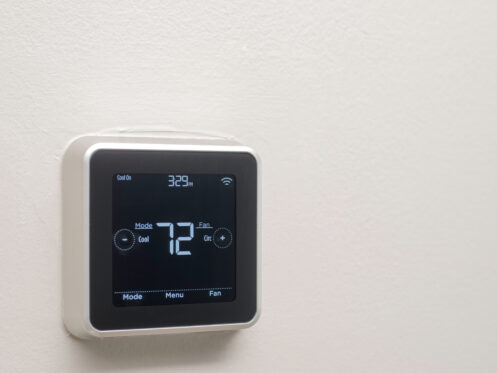
Finding the best thermostat settings during winter is essential for keeping your heat pump (Your AC working in reverse) and HVAC system running efficiently while maintaining indoor comfort. Many Florida homeowners deal with uneven temperatures, higher energy bills, or situations where the AC is not heating properly. In many cases, thermostat usage, not system failure, is the cause. Proper thermostat management can prevent unnecessary AC repair, improve comfort, and extend the life of your system.
Ideal Thermostat Temperature for Florida Winter
Florida winters are mild, so your heating system doesn’t need extreme settings. Keeping temperatures moderate helps your HVAC system run efficiently without overworking.
Recommended thermostat settings:
- 68–70°F when home and awake
- 65–67°F while sleeping
- 60–64°F when away from home
Lowering the temperature slightly while sleeping or away reduces energy consumption and minimizes system wear.
Should You Turn Off Your AC or Leave It Idle?
One of the most common questions homeowners ask is whether they should turn their system completely off when heating or cooling is not needed.
Turning the System OFF
You can safely turn your system off when:
- Outdoor temperatures are mild and comfortable
- You will be away for long periods
- No heating or cooling is required
However, turning it off completely may allow indoor humidity to rise, which can affect comfort and indoor air quality.
Leaving the System ON (Idle Mode)
In Florida, it is often better to leave your system ON but inactive. When the thermostat is set correctly, the system will only run when needed.
Benefits of leaving it on:
- Helps control indoor humidity
- Prevents sudden temperature swings
- Maintains consistent indoor comfort
- Reduces wear from frequent system cycling
A properly set thermostat allows your air conditioner and heating system to stay ready without wasting energy.
Understanding Thermostat Modes and Settings
Knowing how to use each thermostat setting correctly improves comfort and efficiency.
Heat Mode
Used during cooler weather. The system warms your home until it reaches the set temperature.
If your heat is not working, thermostat settings should be checked first before assuming a system failure.
Cool Mode
Used during warmer days, even in winter. Florida weather can fluctuate, so cooling may still be needed occasionally.
Auto Mode
Automatically switches between heating and cooling based on indoor temperature. This is one of the most efficient settings for Florida’s mild winters.
Fan Settings: Auto vs On
Fan Auto (Recommended)
- Fan runs only when heating or cooling is active
- Saves energy
- Reduces system wear
Fan On
- Fan runs continuously
- Improves air circulation
- May increase energy use
Most homeowners benefit from keeping the fan set to Auto.
Emergency Heat Mode
When your thermostat is set to Heat or Auto, your system first uses the heat pump — the most energy-efficient heating method. If outdoor temperatures drop and the heat pump can’t keep up, auxiliary heat strips activate automatically to help reach the set temperature.
Emergency heat should only be used if your heat pump fails or during unusually cold weather. In this mode, the system runs solely on electric heat strips, which consume significantly more energy.
If emergency heat isn’t producing warmth or your system cannot maintain temperature, professional HVAC repair may be required.
Why Your System May Run But Not Heat
Sometimes your system operates without producing warm air, often due to thermostat-related issues.
Common causes include:
- Thermostat set to Cool instead of Heat
- Temperature set too low to activate heating
- Thermostat won’t turn on heat due to wiring or battery issues
- Heat pump operating normally but producing mild heat
Many cases are resolved by adjusting thermostat settings correctly.
Preventing Common Winter Heating Issues
Proper thermostat use helps prevent frequent problems seen in Florida homes.
Aux Heat Won’t Turn Off
This may indicate thermostat misconfiguration or system calibration issues or outdoor temperatures are low enough that auxiliary heat is needed.
Electric Heater Not Working
Backup electric heating sometimes fails due to thermostat communication problems.
Uneven Indoor Temperature
Improper thermostat placement or incorrect settings can cause temperature imbalance.
Heat Not Working at All
This may result from incorrect programming, sensor malfunction, or system failure.
If these issues persist, professional AC repair or HVAC inspection may be needed. For more expert tips, visit our blog.
Efficient Ways to Run Your Thermostat
Using your thermostat efficiently improves comfort while lowering energy costs.
Best thermostat efficiency tips:
- Use programmable schedules for automatic temperature changes
- Avoid large temperature swings
- Set fan to Auto instead of On
- Keep thermostat away from sunlight and vents
- Replace thermostat batteries regularly
- Avoid setting temperature too high or too low
- Use Auto mode during fluctuating winter weather
- Maintain consistent indoor temperature to reduce auxiliary heat engagement
These steps help reduce strain on your air conditioner and heating system.
Get Expert Help for Thermostat and Heating Issues
Proper thermostat use plays a major role in maintaining comfort, efficiency, and system longevity. Whether you’re dealing with AC not heating, thermostat problems, or auxiliary heat issues, professional service ensures your system operates correctly.
Call Poulin Cooling at (727) 252-9602 or Contact us now to schedule your HVAC service today.